From Big Change from the Big State: Navigating the Texas to Michigan Tax, Weather, and Infrastructure Shift
In Texas, everything is bigger, except maybe the shock you feel when you move north.It can feel like you're in a different country when you trade the Lone Star State's open highways and hot summers for Michigan's lakes, snow, and smaller size. Both states value hard work and independence, but their daily routines are very different.
If you're moving from Texas to Michigan, here's what to expect as you deal with the changes in taxes, weather, and even how the roads will feel under your tires.
1. The Tax Change: From None to Flat
The first reality check comes on payday. Texas is one of the few states that doesn't have a state income tax. Michigan, on the other hand, has a flat rate of about 4.05% (as of 2025).
That means you'll see a deduction that wasn't there before. But before you call it a downgrade, think about what you get in return.
The way Michigan taxes its residents helps pay for things like roads, schools, and social programs that help people directly. You'll see it in community services that keep neighborhoods alive, well-funded libraries, and parks.
Also, many people who move find that the trade-off is about right because property taxes and housing costs are much lower than in Texas. A family in Dallas or Austin with an income of $80,000 might pay less in income tax, but more in property insurance, utilities, and housing costs in general.
In short, you lose some money to taxes, but you gain in quality of life.
2. Weather: From hot to cold to snow
When you leave Texas, you say goodbye to summers that are 100 degrees and hello to real seasons.
In Texas:
Summers are long and hard, and they can last until October.
Winter is short and mild, but ice storms can still shut down cities.
Rain can be anything from a drought to a flash flood.
In Michigan:
In the winter, it snows steadily and there are lake-effect storms, especially near Grand Rapids and Traverse City.
Spring is hard to predict; it could snow in April.
The summers are mild and pleasant, with temperatures in the 70s and 80s.
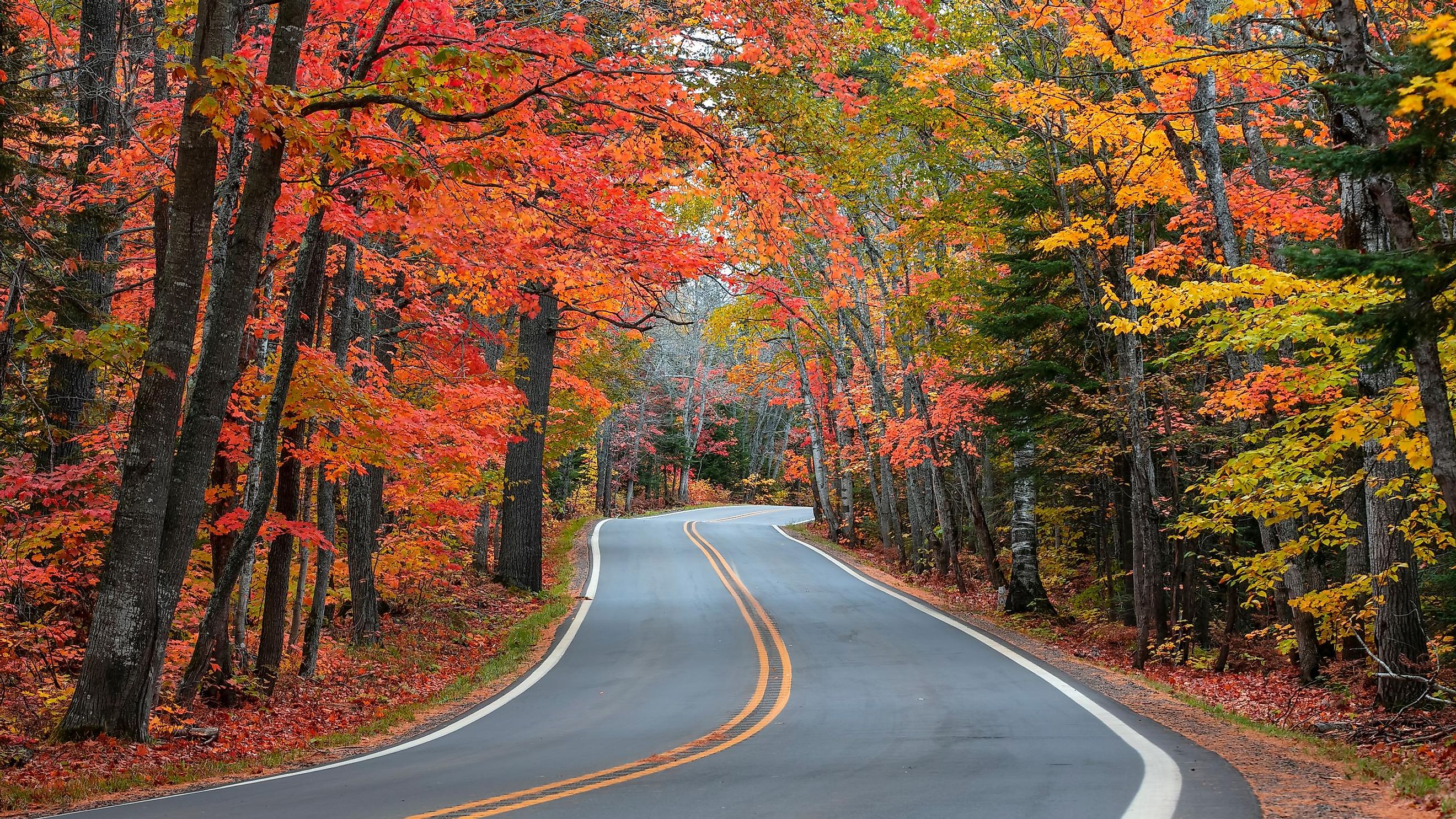
Autumn is beautiful in a way that postcards try to show.
For Texans who are used to hot weather, the change can be big. But people who live there will tell you that you get used to it. Having snow tires, wearing layers, and enjoying the cozy months inside make all the difference.
Plus, Michigan summers are famous for being nice and cool, with no wildfires, no AC bills that are as high as your rent, and no heat.
3. The truth about infrastructure: potholes, salt, and repairs that need to be made every season
Let's talk about the streets.
Most of the time, Texas roads are smooth, wide, and well-kept because they were built for long distances and hot weather. Roads in Michigan? Not really.
Pavement gets damaged over time by freeze-thaw cycles, and using a lot of road salt in the winter makes it worse. People in Michigan often joke that the orange construction cone is the state's official flower.
But there's good news: the state is spending a lot of money to fix up its infrastructure. In important areas like Detroit and Grand Rapids, multi-year projects are bringing highways, bridges, and public transportation up to date.
Tip for people who are new to the area:
Always have a tire kit for emergencies.
To get rid of salt buildup, wash your car often.
It's just part of life here that GPS will take you around construction.
Even though the ride is rougher, Michigan's smaller cities and shorter commute times more than make up for it.
4. Size: From Wide-Open to Walkable
The homes, stores, and highways in Texas are all very big. On the other hand, Michigan feels more connected and compact.
In Texas, it would take more than five hours to drive across the whole Lower Peninsula. The smaller scale changes the rhythm: you spend less time on the road and more time with family or outside.
Cities like Ann Arbor, Grand Rapids, and Lansing have a lot of cultural energy, good restaurants, and walkable downtowns. Smaller towns like Marquette and Petoskey have postcard charm.
It all comes down to how you think. Texas gives you room; Michigan gives you balance.
5. Industry: From oil and technology to cars and new ideas
Texas's economy relies a lot on energy, technology, and real estate, while Michigan's economy is still based on manufacturing and engineering, but it's changing quickly.
People still think of the state as the automotive capital of the world, but now the focus is on the future:
Development of electric vehicles (EVs) by Ford, GM, and new startups.
Making renewable energy products, especially parts for wind and solar energy.
Healthcare, biotech, and logistics are all growing quickly.
Michigan's job market is good for people who work in skilled trades, logistics, or advanced tech. It's not as crowded or expensive as cities like Dallas or Houston.
And for people who work from home, the low cost means you can have a real office instead of just a corner of your living room.
6. The Change in Culture: People are Nice, but the Weather is Cold
There is hospitality in the north that is just as good as in Texas, but it looks a little different.
People from Michigan are friendly but not showy. It's easy to talk to people, the jokes are dry, and friendships take time to grow but last a long time. There will be less small talk like "How y'all doing?" and more honest questions like "How are you holding up in this weather?"
Schools, local festivals, and sports often bring people together in a strong way here. You'll also see pride, but not the loud kind. It's a deep belief in hard work and success that comes from within.
And of course, everyone has strong feelings about the right way to shovel snow, lakes, and cars.
7. Life outside: from the desert to the water
There are deserts, plains, and beaches on the Gulf in Texas. Michigan has forests, dunes, and the biggest freshwater system on Earth.
People often spend their weekends outside, doing things like kayaking, hiking, fishing, or going "up north" to relax. Almost everywhere, state parks and lakes are only a few minutes away. The seasons change, so there's always something new to see.
If you've never seen a Michigan fall, with golden trees reflected in clear lakes, you're in for a treat.
8. The Bottom Line
It's not just a change of address when you move from Texas to Michigan; it's a whole new start. You'll trade wide highways for winding backroads, dry heat for snow, and no income tax for public investment that is fair.
But you get a slower, healthier way of life in return. It's based on nature, community, and affordability.
So yes, it is colder. The roads are bumpier. But when you wake up to the sun rising over Lake Michigan and smell coffee brewing by the window, you'll understand why so many people stay.
Sometimes, though, life needs to be smaller to feel bigger again.
If you're moving from Texas to Michigan, bring your patience, a strong snow brush, and an open mind. You'll learn the rest as you go.